
Quality of Life
Germany consistently ranks among the best countries for quality of life, offering clean cities, efficient public services, and a strong social system.
- German cities regularly appear in the Top 20 most livable cities worldwide
- Tap water is so clean that bottled water is often unnecessary
- Cities are designed for people, not just cars — parks and green spaces are everywhere
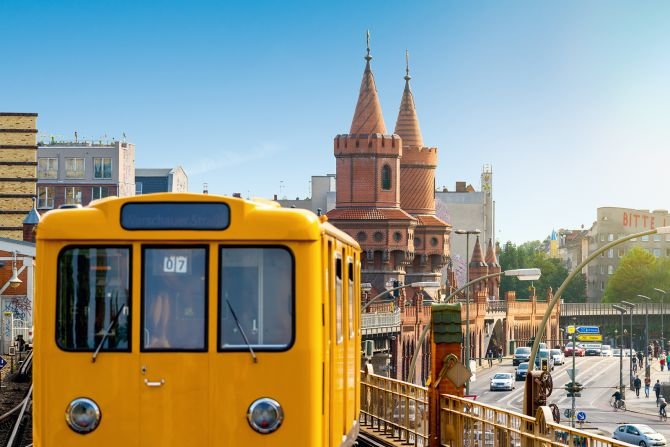
Easy & Affordable Transportation
Germany's public transport system is one of the most reliable in the world, making daily life simple and affordable for students.
- With a student semester ticket, you can travel across entire regions for free
- Trains run so frequently that many students don't need a car at all
- Cycling is a major part of daily life — many cities are bike-first
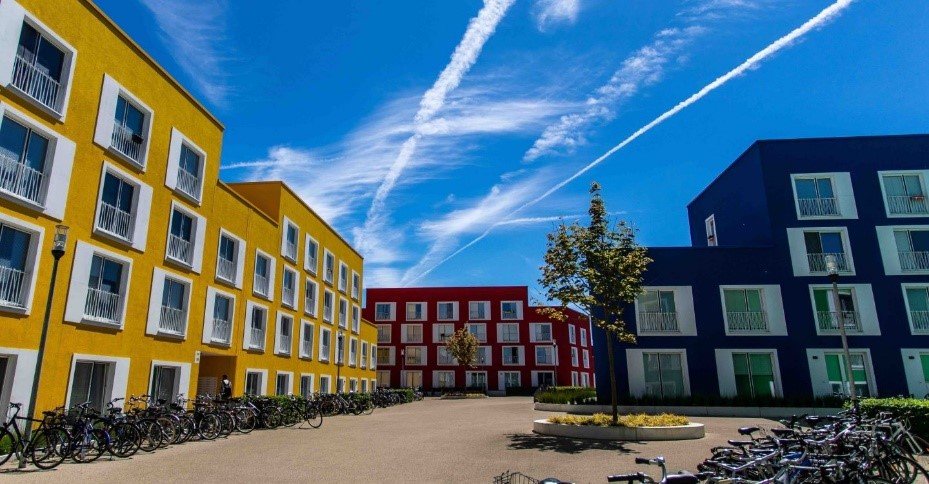
Student-Friendly Living
Germany is known for being welcoming to students, with student housing, shared apartments (WG), and regulated rental standards.
- Shared apartments are so common they have their own name: WG (Wohngemeinschaft)
- Student dorms are often subsidized and much cheaper than private housing
- Many cities offer special student discounts for utilities and services
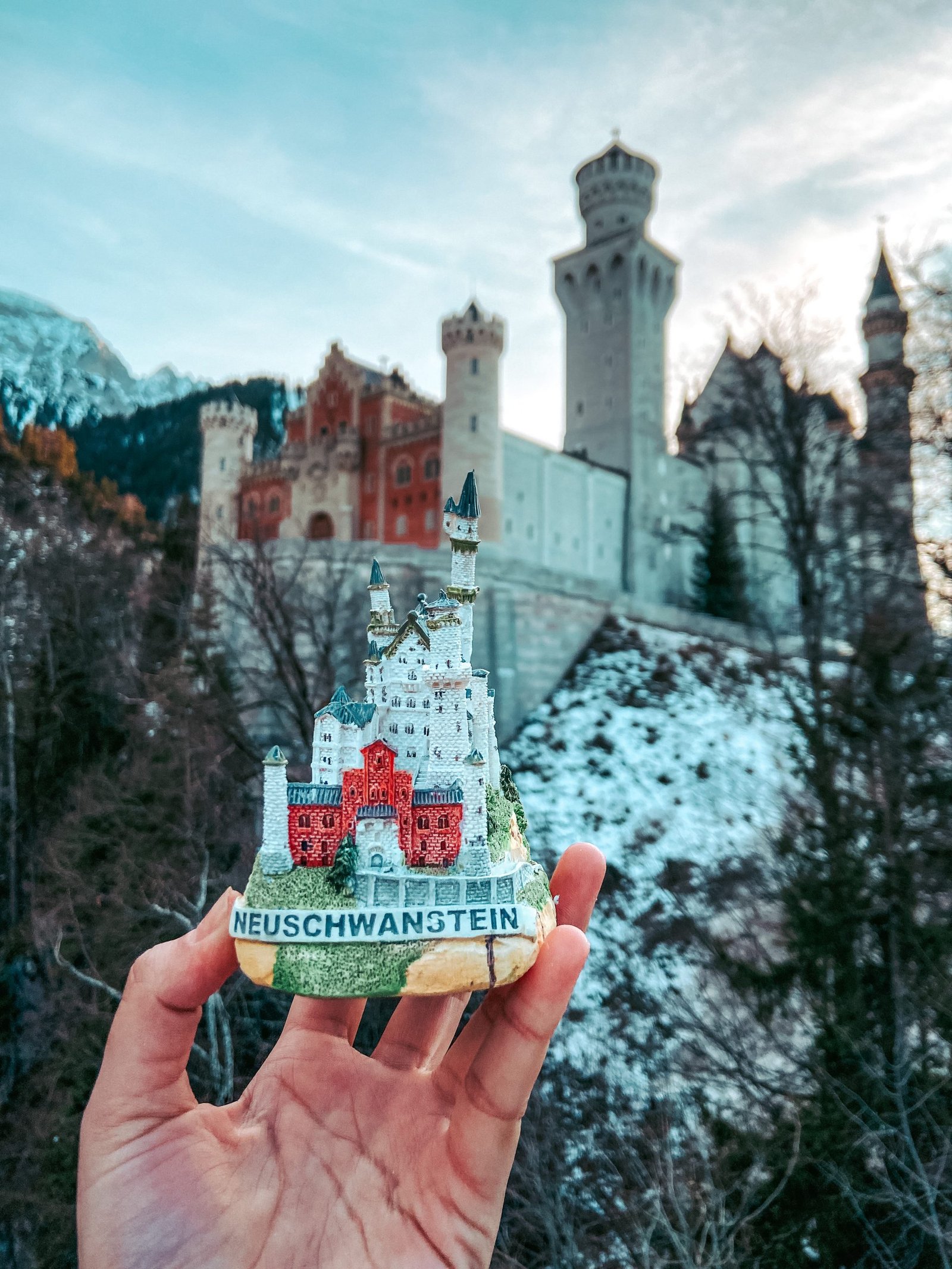
Culture, Travel & Social Life
Germany offers a vibrant cultural life with festivals, music, sports, and easy access to travel across Europe.
- Students receive free or discounted entry to museums, theaters, and concerts
- Germany hosts world-famous events like Oktoberfest and charming Christmas markets in nearly every city
- Affordable train and low-cost flight connections make it easy to visit multiple European countries in a single weekend

Food & Daily Expenses
Living costs in Germany are predictable and transparent, making it easier for students to plan and manage their monthly budgets.
- Grocery prices are regulated and remain affordable compared to many Western countries
- Germany is famous for its bread culture, with over 3,000 different types of bread and baked goods
- Buy fresh produce directly from farms using self-service stands, where payment is made on trust
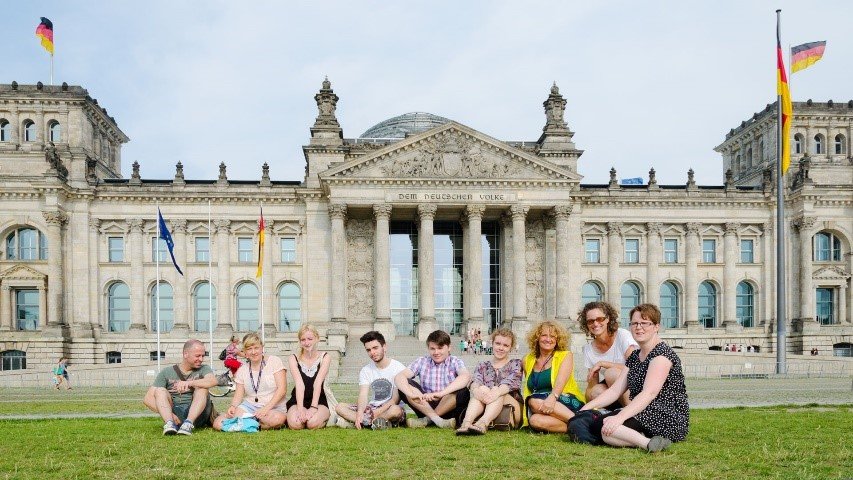
International & Inclusive Environment
Germany hosts hundreds of thousands of international students, creating a diverse and inclusive atmosphere.
- More than 400,000 international students live in Germany
- Students from 180+ countries live and learn together
- English is widely spoken, especially in universities and cities

Safety & Sustainability
Germany is one of the safest countries in Europe and a global leader in sustainability and environmental responsibility.
- Germany has one of the lowest crime rates among major study destinations
- Road safety standards are among the highest globally
- Recycling system with bottle refunds (Pfand) encourages reuse and reduces waste
Cost of Living
Typical monthly ranges (estimates). Actual costs vary by city and lifestyle.
Rent
Student dorms: €200–€400
Shared WG: €300–€600
Private
flat: €600–€1,200+
Essentials
Food: €150–€300
Transport (student ticket): €30–€90
Health
insurance: €80–€120 (students)
Accommodation
Options, pros and cons, and quick tips for finding a place.
- Student Dorms: Affordable, close to campus, limited space. Apply early via Studentenwerk.
- Shared Flats (WG): Social and cost-effective; check WG portals and Facebook groups.
- Private Rentals: More privacy, higher cost; expect contracts, deposit (usually 2–3 months).
Healthcare System
Healthcare is mandatory. Understand public vs private options.
- Public (Gesetzliche Krankenversicherung): Most students and employees use public insurance; comprehensive and regulated.
- Private: Available for certain professionals or higher earners; can be cheaper or more expensive depending on age and coverage.
- Mandatory rules: You must show proof of health insurance for enrollment and visa; short-term visitors should have travel insurance.
Working in Germany
Legal limits, payroll basics, and wage guidance.
- Student work limits: Typically up to 120 full days or 240 half days per year (check current rules).
- Taxes & payslips: Employees get payslips showing gross/net, tax class, social contributions.
- Minimum wage: Germany's statutory minimum wage applies; part-time and student jobs are usually near or above this level.
Culture & Lifestyle
Practical notes to help you adapt quickly.
- Work-life balance: Respect for leisure time and clear separation of work and private life.
- Social norms: Politeness, directness, and following rules (recycling, quiet hours) are common.
- Punctuality: Being on time is important for appointments, classes, and work.
Language & Integration
Learning German helps with studies, work, and everyday life.
- Learning German: Start early — apps, university courses, Volkshochschule and private language schools.
- Integration courses: Offered to newcomers; include language and civic orientation modules.
Permanent Residence & Citizenship
Paths to stay long-term.
- PR timelines: Graduates and skilled workers can transition from a residence permit to permanent settlement after several years (requirements vary).
- EU Blue Card: Fast track for highly skilled workers with a qualifying job and salary threshold; leads to PR under favorable conditions.